
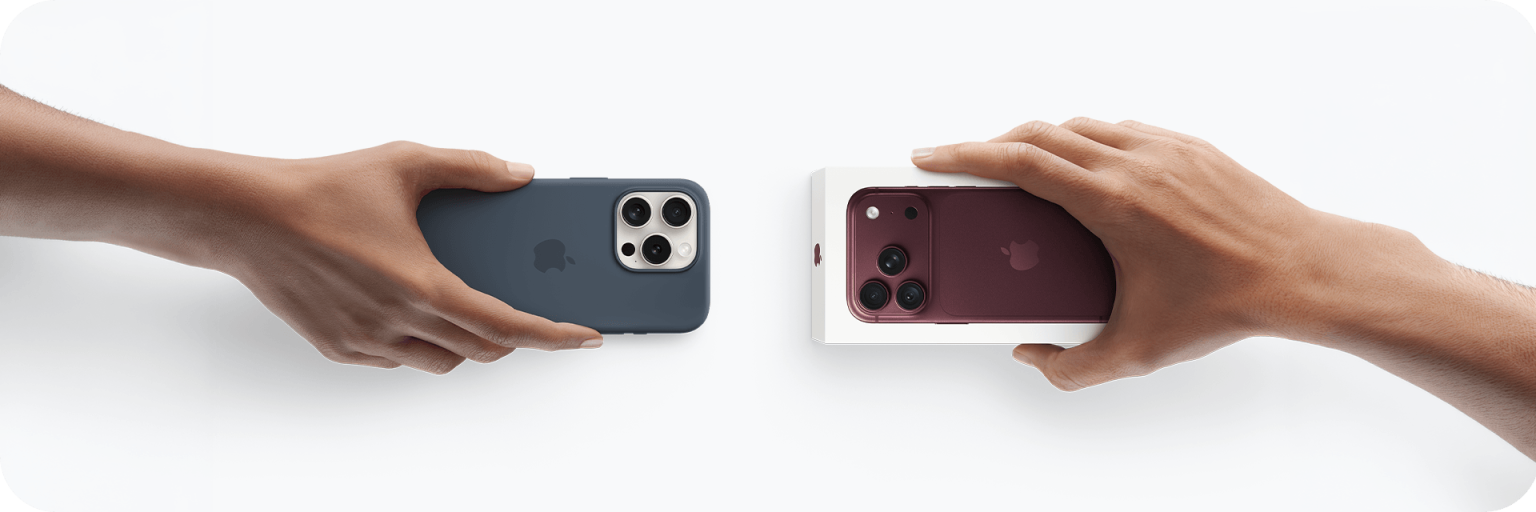
Aging device fleets come at a double cost: in productivity and in stress. The reason is rarely the device itself and almost always the purchasing cycle.
There’s a moment that many IT managers are familiar with. The device fleet is getting old, support cases are piling up, employees are complaining about performance, and yet the upgrade keeps getting postponed. The reason is rarely technical in nature. It’s financial.
When every refresh represents a major investment, it becomes an uncomfortable decision. Devices remain in use longer than is sensible, the fleet becomes inconsistent, and the effort involved creeps up gradually. A service model flips this logic on its head and turns the refresh into a smooth, predictable process.
- The traditional purchasing cycle ties up capital and delays necessary upgrades.
- In the service model, device refresh is a standard part of the process, not an exception.
- New devices arrive at employees’ desks ready to use via Zero Touch.
- Instead of large investments, there is a predictable monthly payment.
The Problem with the Purchase Cycle
When you buy equipment, you tie up capital and assume the residual value risk. Both of these factors create incentives to delay replacement. The result is a fleet consisting of multiple generations of equipment, which is more difficult to manage and secure. What starts out as a cost-saving measure often ends up increasing operating costs, because older equipment requires more support, experiences more outages, and presents more special cases.
A fleet comprising three generations of devices means three security levels, three support profiles, and three procurement strategies. Each additional generation increases the hidden overhead—which doesn’t show up on any invoice but costs time every day.
The Problem with the Purchase Cycle
In the service model, renewal is planned from the very beginning. At the end of the contract term, devices are replaced, the equipment remains up to date, and the fleet remains consistent. What was once a one-time, resource-intensive project becomes a recurring process that can be scheduled in advance. Predictability replaces the need for a major investment decision.
Ready to go from the moment you turn it on
A refresh is only as good as the deployment of the new devices. Through the Apple Business Platform, they arrive preconfigured. Zero Touch Deployment automatically installs profiles, apps, and security policies on the device without requiring any manual effort from IT. This makes switching to a new device a matter of just a few minutes.
Predictable Instead of an Investment Backlog
Instead of large one-time purchases, there is a fixed monthly payment that can be easily factored into the budget. TKD handles procurement, operation, and device refresh through the WorkplaceNow platform and systematically returns the old devices at the end of their service life. This ensures that the Apple fleet remains up-to-date, consistent, and secure at all times, without creating any backlog of capital expenditures.
Frequently Asked Questions
How often should equipment be replaced?
Cycles typically range from 24 to 48 months, depending on the role and requirements. In the service model, the cycle is fixed.
What happens to the old devices?
At the end of their useful life, they will be sorted, securely deleted, and properly disposed of.
Does the refresh create extra work for the IT department?
Hardly, since new devices are set up automatically via Zero Touch.
Does a service model tie up less capital than a purchase?
Yes, instead of a large investment, you end up with a predictable installment plan that preserves your capital.
Will this make the fleet more uniform?
Yes, because of the planned refresh, fewer device generations will be in use at the same time.
Conclusion
An outdated device fleet is rarely a conscious decision, but rather the result of a purchasing cycle that makes renewal difficult. The service model removes this obstacle. Refresh becomes a process, costs become predictable, and the Apple fleet remains up to date at all times.